
If you’ve been severely injured in a car accident in the Dallas–Fort Worth area, you must act now: your health, rights, and future depend on it. As an experienced car accident and personal injury lawyer with the Rad Law Firm serving Dallas-Fort-Worth (DFW), I know how devastating a major crash can be—and how many mistakes victims make that cost them both physically and legally.
This blog is a comprehensive, authoritative guide: we’ll walk through the most serious injuries caused by vehicle crashes, how Texas law treats them, what you must do to protect your rights, how compensation works, and why choosing the right lawyer in Dallas and the surrounding areas matters.
1. Why “severely injured” matters and why you need immediate attention
A “severe” injury isn’t just a bad bruise—it’s a life-changing event: a traumatic brain injury (TBI), spinal cord injury, major fractures, internal organ damage, or other permanent impairment. These kinds of injuries dramatically affect your medical bills, your ability to work, your family life, and the legal value of your claim.
In Texas, vehicle accidents frequently result in serious harm. For example, in one study, among car-crash injuries in Texas, head/brain injuries, neck/back injuries, chest/rib injuries, pelvic/abdominal injuries, leg/knee injuries and foot/ankle injuries were all among the most common serious categories of injury.
When you’re dealing with such injuries, every step you take—from seeing the right doctors, documenting everything, filing claims, preserving evidence, to working with an experienced lawyer—can make the difference between getting fair compensation and accepting much less than you deserve.
Because you’re reading this in the Dallas–Fort Worth area, I’ll also tailor the information to Texas law and how things work locally so you get practical, actionable help.
2. Common and Severe Injuries from Car Accidents
Below are the major types of injuries that often occur in car collisions—and particularly the ones that qualify as “severe” in the legal sense (i.e., they cause major impact, long recovery, permanent damage or disability). I’ll describe the nature of each injury, how it typically happens in a crash, the symptoms, how it is treated, and the legal implications for compensation.
2.1 Traumatic Brain Injury (TBI) / Head Injuries

What it is: A traumatic brain injury arises when the brain is injured by a blow, jolt, or penetration of the skull. In vehicle collisions, even if you did not hit your head, the rapid deceleration can cause your brain to move inside your skull. This can cause concussions, brain contusions, diffuse axonal injury, or even skull fractures.
How it happens in a crash:
-
Your head strikes the steering wheel, dashboard, window or airbag or is jerked violently.
-
Rear-end or side-impact crashes that produce whiplash-type motion, which can also cause brain injury.
-
Penetration injuries (less common in car crashes) or skull fractures.
-
Shaking of the brain inside the skull even without obvious external trauma.
Symptoms and severity:
-
Loss of consciousness (even momentary), amnesia for the event.
-
Persistent headaches, dizziness, nausea, vomiting.
-
Changes in mood, cognition, memory, attention span.
-
Seizures, dilated pupils, inability to awaken.
-
In worst cases: coma, permanent cognitive deficits, vegetative states.
Treatment: Depends on severity—ranging from observation and rest (for mild concussions), to hospitalization, neurosurgery, neuro-rehab, long-term care.
Legal implications: These injuries are among the most serious from a legal standpoint—because of the high cost of treatment, the long recovery, the potential permanent disability or cognitive loss. If you have a TBI following a crash in the Dallas area, it strengthens your claim for substantial compensation.
2.2 Neck and Back Injuries / Spinal Cord Injury

What it is: Injuries to the neck (cervical spine) and back (thoracic and lumbar spine) can range from soft-tissue (muscles, ligaments) to disc herniations, fractures, spinal cord damage and paralysis. Whiplash is a common neck injury from rear-end collisions. Severe spinal cord injuries may result in partial or complete paralysis.
How it happens:
-
Rear-end collisions cause the head and neck to snap back and forth (whiplash).
-
Frontal collisions push occupants forward, compressing the spine.
-
Side impacts can cause bending and twisting of the spine.
-
Dash, roof or rollover crashes can sever or compress the spinal cord.
Symptoms and severity:
-
Neck pain, stiffness, reduced motion, headaches, numbness/tingling in arms/hands.
-
Back pain, radiating pain into legs, numbness/tingling, weakness.
-
Severe cases: loss of movement, loss of sensation, paralysis (paraplegia or quadriplegia).
-
Even herniated discs or spinal fractures can require surgery, long rehab.
Treatment: May include physical therapy, chiropractic care, epidural injections, microdiscectomy/lumbar fusion surgery, and for spinal cord injuries, potentially lifelong care and adaptive equipment.
Legal implications: These injuries can lead to lost ability to work, long-term care, costly medical treatment—thus they increase the value of the claim. If you’re located in Dallas, Fort Worth or the surrounding counties, an attorney needs to investigate whether there is permanent impairment, future care needs, lost earning capacity, etc.
2.3 Chest, Rib & Internal Organ Injuries

What it is: The impact of a crash can cause fractured ribs, sternum, damage to lungs or heart (e.g., contusions, cardiac tamponade), spleen or liver lacerations, diaphragm rupture. Seat belts and airbags save lives—but they also can cause blunt trauma injuries.
How it happens:
-
In head-on collisions, the chest may hit the steering wheel or be compressed by the seat belt.
-
The seat belt may leave marks but also cause internal damage behind the belt.
-
Side impacts or rollover crashes can violently move the mid-section leading to pelvic/abdominal trauma.
-
Airbags deploying may impact the chest and cause bruising or fractures.
Symptoms and severity:
-
Chest pain, difficulty breathing, bruising across chest or seat-belt mark.
-
Cough with blood, shortness of breath.
-
Abdomen pain, swelling, nausea, light-headedness (possibly internal bleeding).
-
Pelvic pain, inability to bear weight, hip injuries.
Treatment: Emergency care to check for internal bleeding, surgery to repair organ damage, chest tubes for pneumothorax, rib stabilization, long rehab.
Legal implications: Because internal organ injuries often require emergency surgery and leave long-term effects, they significantly raise the severity of a claim. If you were involved in a crash around Dallas and end up with these injuries, you should expect to invest in doctors who can testify about long-term consequences.
2.4 Pelvic, Abdominal & Hip Injuries
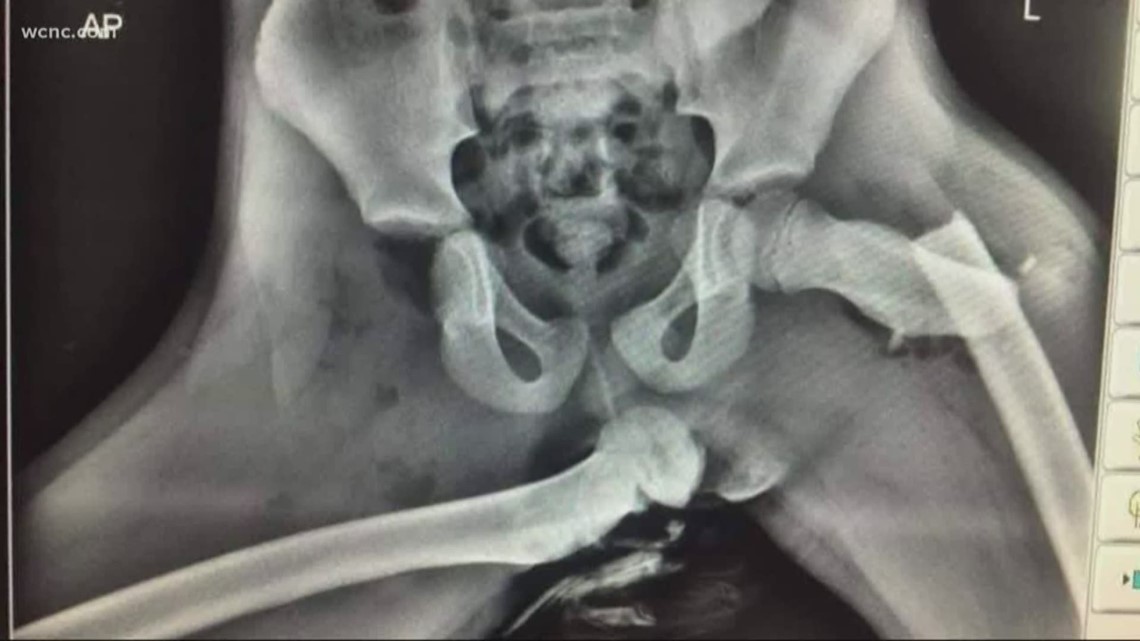
What it is: The pelvis and abdomen house vital organs and structural bones; fractures in this region or damage to organs can be devastating. Injuries may include pelvic fractures, hip dislocations, internal organ trauma like lacerated liver/kidney, bladder rupture.
How it happens:
-
In a frontal crash, the occupant’s body may move forward and the dashboard can strike the knees/hips, pushing force into pelvis/abdomen.
-
Seat belt and airbag forces may transfer energy to the midsection.
-
Side impacts or rollovers cause crushing or twisting of the pelvis.
Symptoms and severity:
-
Severe pain in the hip/pelvis region, inability to stand or walk.
-
Bruising or swelling in the lower abdomen or pelvic region.
-
Signs of internal bleeding: light-headedness, rapid heart rate, low blood pressure.
-
Bladder or bowel control issues if pelvic nerves are affected.
Treatment: Surgery, internal fixation (plates/screws), hip replacement, long rehab, potential lifelong mobility impairment.
Legal implications: These injuries often have both economic (medical bills, lost work) and non-economic (pain, suffering, reduced life enjoyment) components that are large. You must document future care needs and diminished quality of life.
2.5 Leg, Knee, Foot & Ankle Injuries

What it is: Lower-extremity injuries range from fractures (tibia, fibula, femur), ligament tears (ACL/PCL/MCL), knee dislocations, foot and ankle fractures, and in catastrophic cases, amputations.
How it happens:
-
In frontal collisions, the dashboard may slam into the knees and legs.
-
Side impacts can crush doors and strike legs.
-
Rollovers cause impact from multiple directions, ejection risk, limbs caught in wreckage.
Symptoms and severity:
-
Severe pain, visible deformity, inability to walk or bear weight.
-
Swelling, bruising, numbness, loss of limb.
-
Amputation: major life change—prosthetics, rehab, adaptation.
Treatment: Emergency surgery, metal rods/plates, knee reconstruction, foot/ankle fusion, months of rehab. Amputations involve prosthetic fitting, rehab, psychological recovery.
Legal implications: Lower-extremity injuries often affect mobility, ability to perform job duties (especially if you stood/walked a lot). The more permanent the damage, the higher the value of your claim—especially in Dallas where cost of living and lost wages can be high.
2.6 Emotional, Psychological & “Invisible” Injuries

What it is: Even if you walk away from a crash with no broken bones, you may suffer profound psychological injury: post-traumatic stress disorder (PTSD), depression, anxiety, sleep disorders, fear of driving, chronic pain syndromes.
How it happens:
-
The trauma of a violent collision, injuries, hospitalization, surgeries.
-
Loss of mobility, change in life, inability to enjoy hobbies, work, family.
-
Constant reminders (pain, disability, driving anxiety).
Symptoms and severity:
-
Flashbacks, nightmares, constant fear, avoidance behavior.
-
Depression, irritability, mood swings, social withdrawal.
-
Sleep issues, panic attacks.
-
Decline in quality of life, relational conflict, job loss.
Treatment: Therapy (cognitive-behavioral), medication, support groups, sometimes trauma rehab.
Legal implications: These injuries are harder to prove but extremely important. In Texas, pain and suffering, loss of enjoyment of life are key non-economic damages. You’ll need expert testimony (psychologist/neuro-psychologist) documenting the injury. The value of the case increases when invisible injuries accompany visible ones.
3. Why serious injuries mean you need top-tier legal representation in Dallas–Fort Worth
If you’ve sustained a major injury in a car accident around Dallas, Fort Worth, Plano, Arlington, McKinney, Frisco or surrounding counties, here’s why you need a knowledgeable lawyer rather than trying to handle it yourself or settling too early.
3.1 Texas is a “fault” state with comparative negligence
In Texas, you must show the other driver was responsible (or your own fault was significantly less) to recover compensation. If the insurance company tries to argue you’re partially at fault, your recovery will be reduced accordingly (Texas uses a comparative-fault rule).
3.2 Statute of Limitations is short
You generally have two years from the date of the accident to file a lawsuit in Texas. If you wait too long, you may lose the chance to recover anything. With severe injuries, gathering evidence (medical records, expert testimony) takes time—so you want legal help early.
3.3 Insurance companies fight hard in serious injury cases
When your medical bills are large, your future losses are substantial, and the at-fault driver’s insurance may be high-risk or under-insured, you’ll face aggressive defense tactics: delay tactics, low-ball offers, arguments that your injuries weren’t caused by the crash, or that your treatment was excessive. Having a lawyer who knows the local DFW insurance landscape makes a big difference.
3.4 Your life has changed—and so must your claim strategy
With major injuries, your claim isn’t just about past medical bills. You have future care needs, lost earning capacity, loss of consortium, diminished life enjoyment, potential disability, adaptation costs (home modifications, prosthetics). A local Dallas lawyer experienced with these claims will know to gather appropriate experts and documentation.
3.5 Local knowledge and contacts matter
In the Dallas–Fort Worth metroplex, understanding local medical providers, local court practices, local insurance companies, DFW juries and settlement norms helps you. A law firm practicing in Dallas, Fort Worth and surrounding counties is positioned better than one flying in from out of state.
4. What you must do immediately after the crash (and what to avoid)
Because your injuries are severe, early actions significantly impact your case. Here’s your checklist for immediate steps—and what to avoid.
✅ Immediate steps
-
Seek medical attention right away. Even if you feel okay now, severe injuries (especially brain injuries, internal damage, spinal injuries) may not be apparent immediately. Prompt treatment also documents your injury for legal purposes.
-
Preserve the crash scene and evidence. If you’re able: take photos/videos of the vehicles, skid marks, road conditions, damage, your injuries. Get contact details of witnesses.
-
Report the crash. In Texas, if there was injury or significant property damage, you must report the collision to law enforcement.
-
Give notice to the insurance companies (with your lawyer’s help). Make sure the at-fault driver’s insurance is notified—this triggers their obligation to investigate and begin the claims process.
-
Document everything. Keep all medical records and bills, wage-loss documentation, vehicle repair bills, notes about pain and suffering, changes in lifestyle.
-
Contact a trusted Dallas/Fort Worth personal injury lawyer as soon as possible. Let the lawyer guide you through medical treatment, claims, negotiation, and if necessary, litigation.
❌ What to avoid
-
Don’t delay medical treatment. Gaps or delays can harm your case.
-
Don’t give a recorded statement to the at-fault driver’s insurance company without your lawyer. Insurance adjusters may use what you say against you.
-
Don’t accept a quick settlement offer immediately. Especially with severe injuries, you need to understand future costs—early settlements often leave money on the table.
-
Don’t post details about the crash on social media (or let friends) that could be misinterpreted.
-
Don’t assume the at-fault driver’s policy limit will cover all your losses. If the driver is under-insured, you may need to look at your own uninsured/under-insured motorist (UM/UIM) coverage or other avenues.
5. How compensation works for severe injuries in Texas
Understanding how damages are calculated and what you may recover is key to seeing the value of your claim.
5.1 Types of damages (what you can recover)
-
Economic damages: past and future medical bills, hospitalizations, surgeries, rehabilitation, future care, lost wages (past and future), loss of earning capacity, vehicle/property damage.
-
Non-economic damages: pain and suffering, emotional distress, loss of enjoyment of life, loss of consortium (for spouse/family).
-
Punitive damages: Rare in car-accident cases in Texas, only where the at-fault driver acted with gross negligence or intentional misconduct.
5.2 Typical settlement ranges for serious injuries
While each case is unique, here are rough guidelines for Texas:
-
Minor injuries: $10,000-$25,000.
-
Moderate injuries: $50,000-$100,000.
-
Serious injuries (major fractures, TBIs, spinal injuries requiring surgery): $100,000-$500,000+.
-
Catastrophic injuries or wrongful death: $1 million+ (depending on the facts).
Because you’re in the Dallas–Fort Worth area and have severe injuries, your case likely falls into the higher category. The stronger the proof of permanent damage, future care, lost earnings, etc., the higher the value.
5.3 Why future damages matter (especially for severe injuries)
When you have a catastrophic injury—such as a spinal cord injury or brain injury—you may have lifelong medical care, lost wages for decades, need for home modifications or assistive devices. A law firm in Dallas must hire medical and vocational experts to estimate these future losses so you don’t settle too low.
5.4 Insurance coverage and policy limits
Texas minimums for liability coverage are often inadequate for major injury cases: $30,000 per person, $60,000 per accident for bodily injury, $25,000 for property damage. If the at-fault driver has only the minimum, but your losses are hundreds of thousands (or millions), your lawyer must explore additional coverage (UM/UIM or other parties responsible).
6. Why choose the Rad Law Firm in Dallas–Fort Worth for your severe injury case
As a law firm based in the Dallas–Fort Worth metroplex, here’s why we stand out and how we help seriously-injured crash victims:
✅ Local expertise, local courts
We know the courts in Dallas County, Tarrant County, Collin County, Denton County—and how insurance companies behave locally. We have relationships with top medical experts in the DFW area who specialize in brain injuries, spinal injuries, and catastrophic trauma.
✅ Focus on severe injuries
We don’t handle only “fender-benders.” Our practice centers on serious car accidents with life-altering injuries. That means we understand how to build complex claims: future care, vocational losses, life-care planning.
✅ No fee unless we win
We work on a contingency-fee basis: you pay nothing unless we recover for you. That means we have incentive to fight aggressively for maximum compensation.
✅ High-quality investigations
We immediately secure crash-scene evidence, hire reconstruction experts, obtain full medical records, preserve your rights, communicate with insurers, and keep you informed at every step.
✅ Client-centered support
We know you’re dealing with physical pain, emotional trauma, lost income, family disruption. We keep the process as smooth as possible so you can focus on healing while we handle the legal side.
If you were involved in a severe car accident in Dallas–Fort Worth, call Rad Law Firm for a free consultation. We’ll evaluate your case, discuss your rights, and help you plan the next steps. Time matters—contact us now.
7. Frequently Asked Questions (FAQ) for Severe Car Accident Injuries in Texas
Here are answers to some of the most common questions we receive from crash victims in the DFW area.
Q1: How do I know if my injury is “severe” enough to call a lawyer?
If you have one or more of the following: hospitalization, surgery, long-term rehabilitation, impairment of work or life activities, spinal or head injury, internal organ damage, amputation, or your doctor tells you there may be permanent impairment—then yes, you should contact a lawyer.
Q2: How long do I have to file a claim in Texas?
Generally two years from the crash in Texas for personal-injury claims. After that basic deadline, you risk losing your right to sue.
Q3: Will I have to go to trial?
Many cases settle out of court, but with severe injuries and high damages, the insurance company may not offer fair compensation without the threat of trial. You must choose a lawyer prepared to take your case to court if necessary.
Q4: What if I was partly at fault for the crash?
Texas uses a comparative-fault rule. If you were partly responsible, you may still recover damages, but your compensation will be reduced by your percentage of fault. That’s why it’s crucial to have legal representation who can minimize or defend against fault issues.
Q5: What kind of evidence do I need?
-
Medical records (past and future prognosis)
-
Wage-loss documentation (past paychecks, lost earning capacity)
-
Crash-scene evidence (photos, videos, witness statements)
-
Expert reports (medical experts, vocational experts, life-care planners)
-
Documentation of pain/suffering/emotional impact (journals, therapy records)
Q6: Can I still make a claim if the other driver was uninsured or underinsured?
Yes. If the at-fault driver lacks sufficient insurance, you may use your own uninsured/underinsured motorist (UM/UIM) coverage. A skilled Dallas lawyer will explore all available sources.
8. Real-Life Example (Hypothetical)
Let’s imagine a real scenario in the Dallas–Fort Worth area. You’re driving northbound on I-35 in Denton County. Another driver runs a red light, t-bones your vehicle at high speed. You suffer: a fractured pelvis, internal organ damage (splenic laceration), a moderate TBI, and a torn ACL in your right knee. You spend two weeks in the hospital, one surgery for your pelvis, one for your knee, and are in rehab for six months. You were a construction foreman earning $70,000/year and are told you may never safely return to heavy manual labor.
In your legal claim:
-
Medical bills (past): hospital stays, surgeries, rehab costs.
-
Future medical care: monitoring for organ damage, potential knee replacement, long-term neuro-cognitive therapy for TBI.
-
Lost wages: six months of lost income, plus future loss of ability to do previous job (construction).
-
Loss of earning capacity: you may have to shift to lower-paying desk job.
-
Pain, suffering, diminished life enjoyment (you can’t play with your kids as before, you have anxiety about driving).
With such a case, the value would far exceed a simple “whiplash” settlement. It could easily escalate into the six-figure or seven-figure range, depending on coverage, prognosis, and bilateral liability. As your Dallas–Fort Worth injury attorneys, we’d hire life-care planners, vocational experts, and neurology/orthopedic specialists to build your case.
9. Steps We Take at Rad Law Firm for Your Case in DFW
If you decide to work with us, here’s a typical workflow we follow when you’re severely injured in a car crash in the region:
-
Initial consultation (free). We review the accident, your injuries, insurance coverage, deadlines.
-
Immediate actions. We advise you on medical care, preserve evidence (accident scene, vehicle damage, witness statements), obtain crash report.
-
Medical record gathering. We work with your treating doctors in Dallas/Fort Worth to gather records, imaging, operative reports, rehab notes.
-
Damage assessment. We calculate past and future medical costs, lost wages/earning capacity, pain and suffering. We may retain vocational and life-care experts.
-
Negotiation with insurers. We present a demand package, advocate vigorously, and attempt to secure a fair settlement.
-
Litigation if needed. If the insurer refuses to settle fairly, we file a lawsuit in the proper Texas court (Dallas County, Tarrant County, Collin County, etc.). We prepare for trial with depositions, expert witness prep, discovery.
-
Settlement or verdict. We obtain compensation—covering your past, present and future losses, and ensure you understand how the settlement or award is structured (lien resolution, taxes, future care).
-
Post-settlement monitoring. Especially in severe injury cases, we remain available for any future issues—rehab complications, additional treatment, etc.
10. Why Timing Matters – Don’t Wait
-
Injuries evolve: What seems minor right after the crash may become a major issue (for example, a concussion turning into persistent cognitive impairment, a herniated disc requiring surgery).
-
Evidence disappears: Wreckage is repaired, witnesses move away or forget details, vehicle damage is diminished.
-
Statute of limitations: If you wait too long, you lose rights.
-
Insurance needs time: Particularly in serious injury cases, the insurance company will want to investigate thoroughly—they don’t rush to pay. The sooner you engage a lawyer, the sooner you protect your rights.
11. What to Ask When Choosing a Dallas–Fort Worth Injury Lawyer
Given the stakes in severe injury cases, you should vet potential attorneys carefully. Here are questions you should ask:
-
How many serious car-accident cases (TBIs, spinal cord injuries, major fractures) have you handled?
-
Do you handle cases in my county (Dallas, Tarrant, Collin, Denton)? Do you know the local judges and insurance companies?
-
What is your fee structure? (Typically contingency—no fee unless you recover).
-
Will you keep me informed? Will one attorney handle my case or will paralegals/assistants do most of the work?
-
What is your approach to future care/life-care planning? Will you bring in medical/vocational experts?
-
What resources do you have for a complex case? Some firms handle only minor wrecks—while others are set up for catastrophic injuries.
-
Can you provide references or testimonials from past severe injury clients?
At Rad Law Firm, we meet all of those criteria. We focus on major injury crashes, we’re familiar with the DFW metropolitan area, and we have the resources needed to investigate, negotiate, and litigate complex claims.
12. Contact Us – Free Consultation for DFW Crash Victims
If you or a loved one suffered a severe injury in a car accident in the Dallas–Fort Worth area, don’t wait. Time, health, and evidence are on the line.
Call the Rad Law Firm today for a free, no-obligation consultation. We will:
-
Listen to your story
-
Evaluate your injuries and losses
-
Explain your rights under Texas law
-
Help you take the right next steps toward recovery and compensation
We serve clients throughout Dallas County, Tarrant County, Collin County, Denton County, and the greater North Texas area. Let us handle the legal burden while you focus on healing.
13. Final Thoughts
Severe injuries from car accidents are life-altering. If you’ve been badly hurt in a crash in Dallas or the surrounding region, the road ahead can be long—but you don’t have to navigate it alone. The right legal team can make a meaningful difference in your recovery and your ability to secure fair compensation.
Remember:
-
Seek immediate medical treatment and document everything.
-
Don’t handle the insurance companies alone.
-
Time is critical under Texas law.
-
A serious injury case requires serious legal strategy.
-
For victims in DFW, local experience matters.
At Rad Law Firm, we are committed to standing by you, fighting for your rights, and helping you rebuild your life. If you’re ready to talk, we’re ready to help. Call Rad Law Firm at 972-661-1111 for immediate help!